Author: PUTO.lv

The summer travel and road trip season is here! During this time, we spend much more time behind the wheel, traveling long distances. To ensure your planned vacation doesn't end with unpleasant surprises, it's important to make sure your car is not only visually sparkling but also technically ready for adventures.
We have compiled 5 simple and practical tips on what to look out for to ensure your summer trips are safe and enjoyable.
1. Summer windshield washer fluid
During the warm season, a car's windshield quickly becomes covered with insects, dust, and road grime, which especially impairs visibility in the evening sun or at higher speeds. Summer windshield washer fluid is designed specifically to prevent these problems – it effectively dissolves organic dirt and ensures flawless visibility during the trip.
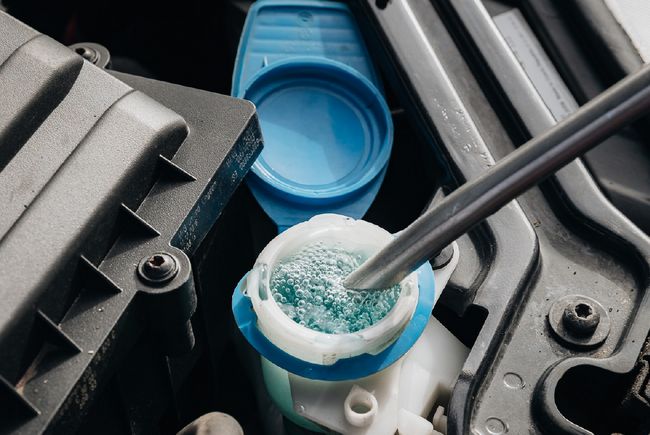
How to check? If a warning lights up on the dashboard or fluid stops spraying – it's time for a refill.
Where to pour? Open the hood and look for the reservoir with the windshield and fountain symbol (usually with a blue, black, or yellow cap). Fill up to the MAX mark or 2-3 centimeters from the cap.
Tip: At many PUTO car washes, you can conveniently refill summer washer fluid directly from the machine – as much as you need. Find the nearest PUTO car wash
2. Windshield wiper blades check
Summer heat, strong UV radiation, and baked-on road grime are the洩 biggest enemies of wiper blades. In the heat, the rubber quickly hardens and cracks, causing the blades to squeak and leave streaks. During sudden summer downpours, poor visibility can become dangerous.

- How to check? Activate the windshield washer function and let the wipers run for two to three cycles. Pay attention to whether streaks, uncleaned areas, or water traces remain on the glass. If the washer fluid level is sufficient but visibility is still poor, the blades are worn out.
- Before buying new blades, try cleaning the existing ones. Take a damp cloth or wipe and wipe the rubber edge along the entire length of the blade. Dust, sand, and car wash chemical residues often accumulate on it. Sometimes this simple cleaning is enough to make the blades work much better again.
- When to replace? Wiper blades must definitely be replaced if the rubber has become hard, cracked, or starts to detach from the frame, as well as if streaks still remain on the glass after cleaning. For most cars, they can be replaced independently within a few minutes and without tools, following the instructions on the packaging.
3. Interior cleaning and airing out
During the active trip and beach season, sand, road dust, and pollen unnoticeably accumulate in the car interior. If dirt and moisture gather in the cabin, an unpleasant odor quickly appears.
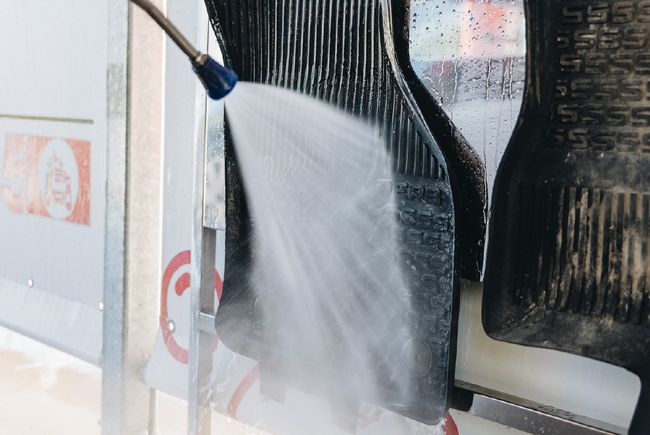
- Air out while cleaning: Start by opening all the car doors and windows – the cabin will thoroughly air out during the cleaning process itself. Take out the mats: wash the rubber ones, but give the fabric ones a good shake and vacuum.
- Vacuum thoroughly: While the mats are drying, thoroughly vacuum the interior, paying special attention to areas under the seats and joints where sand accumulates the most. Finally, wipe down the panels. Remember – put the mats back only when they are completely dry to avoid excess moisture in the cabin.
- Tip: Powerful industrial vacuum cleaners are available at many PUTO self-service car washes. Their high suction power and narrow nozzles make it easy to clean even hard-to-reach places, quickly restoring a pleasant freshness to the cabin. Find the nearest PUTO car wash.
4. Technical fluids check
During the summer period, the engine is exposed to high temperatures and works under increased load conditions, which can be especially felt on long trips or when standing in traffic jams. In such heat, even a slight shortage of oil or coolant can quickly cause the engine to overheat.
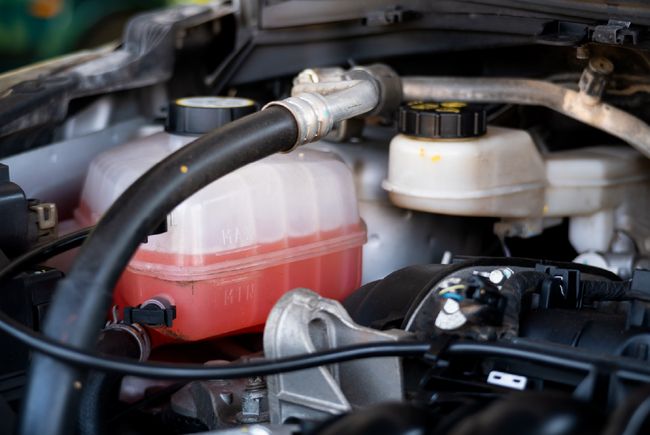
Here is how to check them easily:
- Engine oil check: 1. To get an accurate reading, perform the check on a level surface and wait about 5 minutes after turning off the engine, allowing the oil to drain into the oil pan. 2. Lift the hood and find the loop or ring-shaped handle – this is the oil dipstick (most often highlighted in yellow or red, but it can also be black or metallic). 3. Pull out the dipstick, wipe it thoroughly with a wipe, reinsert it fully, and pull it out again. The oil trace on the dipstick must be between the MIN and MAX marks. 4. If the level is too low, unscrew the nearby cap depicting an oil can and top it up in small portions. Use only the type of oil specified by your car manufacturer.
- Coolant (antifreeze) check: 1. No tools or unscrewing are required for this check – look under the hood for a large, transparent plastic reservoir containing a brightly colored fluid (usually pink, blue, or green). 2. Visually assess the fluid level based on the integrated marks on the side of the tank – it should be between the MIN and MAX limits. If the level is within these limits, the cooling system is fine and you can safely close the hood.
- Attention! Safety rule: If you still need to top up the coolant, never unscrew the cap while the engine is hot! There is huge pressure in a hot system – opening it can cause the rising steam to inflict severe burns. Wait at least 20-30 minutes or until the engine has cooled down.
5. Tire pressure control
Correct tire pressure means safety and better car handling. It also helps save fuel and extends tire life.
In summer, when we more frequently go on longer trips with passengers and heavy luggage, the load on the tires is much higher. Therefore, this quick check is especially important – it will protect the tires from premature wear and your wallet from unnecessary fuel expenses.
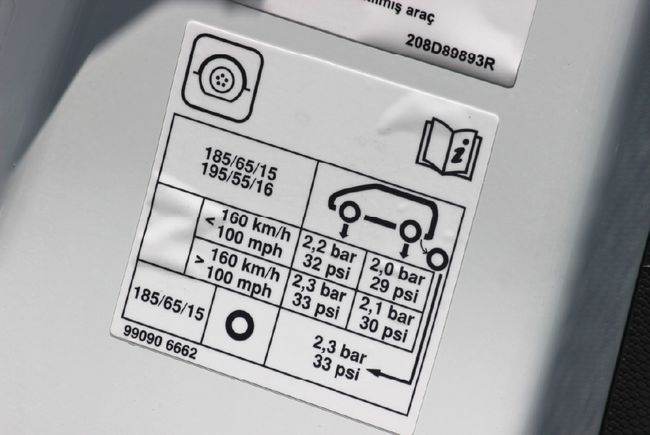
- What should the tire pressure be? The optimal pressure for each car is precisely determined by its manufacturer. Open the driver's door and look for the factory sticker on the door jamb – it indicates the exact numbers, which are usually around 2.0-2.5 bar/psi and change depending on the car load. On some models, this sticker can also be found on the inside of the fuel filler cap. Keep in mind: for trips with a full car and heavy luggage, the manufacturer often specifies higher pressure, especially for the rear tires.
- Checking and filling:
- Measure the pressure on "cold" tires – before leaving, while the rubber has not yet warmed up from asphalt friction.
- Unscrew the tire valve cap and firmly press the compressor nozzle onto it. You will immediately see the current pressure in the tire on the display.
- Use the remote control buttons to match the pressure with the required one: press "+" to pump air in, or "-" to let it out. When the screen shows the exact number set by the manufacturer, screw the valve cap back on.
- Tip: You can easily check and fill tire pressure at many PUTO car washes, where an air compressor with a precise pressure gauge is available. Look for it next to the vacuums!
Performing these five checks will take only about 15 minutes but will provide confidence and peace of mind for every kilometer of the road. A timely prepared car will allow you to fully enjoy carefree summer trips without worrying about technical surprises along the way.
We wish you pleasant, sunny, and safe trips – see you at PUTO!
Useful articles for your next trip:
- Car travel: How to keep your car clean on long trips?
A practical guide with 7 valuable tips for chaos-free trips. Find out how to create a "tidiness kit", what snacks to choose so there are no crumbs in the cabin, and how short cleaning breaks during the trip prevent mess from accumulating. - Car cleanliness checklist for travel enthusiasts
PUTO's 10-point checklist for those who love practical travel. Learn how organizers and changing shoes protect the interior from mud, why a cover is useful for overnight stays in nature, and how to maintain order when traveling with children.